


ផ្លាកសញ្ញាផ្លូវនៅហុងកុង

ផ្លាកសញ្ញាផ្លូវនៅក្នុងទីក្រុងហុងកុង ត្រូវបានស្តង់ដារដោយ នាយកដ្ឋានដឹកជញ្ជូន ។ [១] ដោយពីមុនជា ទឹកដីរបស់អង់គ្លេស ផ្លាកសញ្ញាផ្លូវនៅហុងកុងគឺស្រដៀងនឹង ចក្រភពអង់គ្លេស ដោយមានការបន្ថែម អក្សរចិនបុរាណ ។
ការរចនានិងភាសា
[កែប្រែ]
ផ្លាកសញ្ញាផ្លូវក្នុង ទីក្រុងហុងកុង ធ្វើតាមយ៉ាងដិតដល់នូវវត្ថុដែលបានប្រើនៅក្នុង ចក្រភពអង់គ្លេស ហើយអនុលោមតាម អនុសញ្ញាទីក្រុងវីយែនស្តីពីផ្លាកសញ្ញាផ្លូវ និងសញ្ញាផ្លូវ ដែលជាកេរដំណែលនៃ ស្ថានភាពទឹកដីនៅក្រៅប្រទេសរបស់អង់គ្លេស ពីមុនរបស់ទីក្រុង។ សញ្ញាជាធម្មតាប្រើពុម្ពអក្សរ Transport Medium នៅលើផ្ទៃខាងក្រោយងងឹត ឬ Transport Heavy នៅលើផ្ទៃខាងក្រោយស្រាល ដែលមានលក្ខណៈដូចគ្នាបេះបិទទៅនឹងការប្រើប្រាស់នៅក្នុង ចក្រភពអង់គ្លេស និងបច្ចុប្បន្ន និងអតីត ទឹកដីអង់គ្លេស Overseas Territories ជាច្រើន។
ផ្លាកសញ្ញាផ្លូវដែលដាក់ក្នុងទសវត្សរ៍ឆ្នាំ 2000 ដល់ឆ្នាំ 2010 ជាទូទៅប្រើ Arial Narrow ឬ Helvetica ដោយមានឬគ្មានអក្សរ 'l' ដែលត្រូវបានកែប្រែ។ ជួនកាលផ្លាកសញ្ញាផ្លូវក៏ប្រើ Helvetica ដែរ។ ផ្លាកសញ្ញាថ្មីបំផុតដែលបានសាងសង់បន្ទាប់ពីឆ្នាំ 2016 បានបន្តប្រើប្រាស់ ការដឹកជញ្ជូន ឡើងវិញ។ ផ្លាកសញ្ញាមួយចំនួននៅលើផ្លូវល្បឿនលឿនដែលទើបនឹងបញ្ចប់ថ្មីៗនេះប្រើប្រាស់ Transport Heavy នៅលើផ្ទៃខាងក្រោយងងឹត។
ប្រព័ន្ធសរសេរនៅលើផ្លាកសញ្ញាចរាចរណ៍រួមមាន អង់គ្លេសអង់គ្លេស និង អក្សរចិនបុរាណ ដែលជាភាសាផ្លូវការពីររបស់ហុងកុង តាមលំដាប់នៃ ភាសាអង់គ្លេស ខាងលើ តួអក្សរចិនបុរាណ ។
ចាប់តាំងពីឆ្នាំ 1984 ព្រួញ (រួមទាំងខ្លះដោយគ្មាន barbs) គឺដូចគ្នាបេះបិទទៅនឹងសមភាគីអង់គ្លេសរបស់ពួកគេដែលបានប្រើនៅលើសញ្ញាមួយចំនួន។ មុនឆ្នាំ 1984 និងក្រោយឆ្នាំ 1973 ព្រួញគឺដូចគ្នាបេះបិទទៅនឹងសមភាគី Ugandan របស់ពួកគេដែលប្រើនៅលើផ្លាកសញ្ញាមួយចំនួនដូចជា Turn Left, No Right Turn ឬ One-way Traffic។ មុនឆ្នាំ 1973 សញ្ញាស្ថិតនៅក្នុង រចនាប័ទ្មមុន Worboys ជាមួយនឹងភាពខុសគ្នាពីរបី។
សញ្ញាព្រមានអំពីស្ថានភាពគ្រោះថ្នាក់ ឬស្ថានភាពគ្រោះថ្នាក់ (ឧទាហរណ៍ "ផ្លូវប្រសព្វ" ឬ "ផ្លូវចោតឆ្ពោះទៅមុខ" មាននិមិត្តសញ្ញាពណ៌ខ្មៅ-ស នៅខាងក្នុងត្រីកោណដែលមានព្រំប្រទល់ក្រហម (ចំណុចខាងលើបំផុត) [២]
-
 ចរាចរណ៍ផ្លូវពីរខាងមុខ
 -
 រង្វង់ខាងមុខ
 -
 ខាងមុខតែប៉ុណ្ណោះ
 -
 រក្សាឆ្វេង (ស្តាំប្រសិនបើនិមិត្តសញ្ញាបញ្ច្រាស)
 -
 បត់ឆ្វេង (ស្តាំប្រសិនបើនិមិត្តសញ្ញាបញ្ច្រាស)
 -
 បត់ឆ្វេងនៅផ្លូវប្រសព្វខាងមុខ (ស្តាំប្រសិនបើនិមិត្តសញ្ញាបញ្ច្រាស)
 -
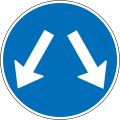 យានជំនិះអាចឆ្លងកាត់សងខាង ដើម្បីទៅដល់គោលដៅដូចគ្នា។
 -
 គ្មានបត់ឆ្វេងទេ (គ្មានបត់ស្តាំទេប្រសិនបើនិមិត្តសញ្ញាបញ្ច្រាស)
 -
 គ្មានការបត់ត្រឡប់ក្រោយ (និមិត្តសញ្ញាអាចនឹងត្រូវបានបញ្ច្រាស)
 -
 ល្បឿនកំណត់គិតជាគីឡូម៉ែត្រក្នុងមួយម៉ោង (km/h)
 -
 ចរាចរណ៍ផ្លូវតែមួយ
 -
 សញ្ញាពន្លឺឆ្លងកាត់កម្រិត
.svg?lang=km)
.svg?lang=km)
.svg?lang=km)
.svg?lang=km)
.svg?lang=km)
.svg?lang=km)
.svg?lang=km)
.svg?lang=km)
.svg?lang=km)
.svg?lang=km)
.svg?lang=km)
.svg?lang=km)
បទប្បញ្ញត្តិ
[កែប្រែ]លើកលែងតែរាងពិសេសដែលប្រើសម្រាប់សញ្ញា "បញ្ឈប់" និង "ផ្តល់ផ្លូវ" (រៀងគ្នា រាងប្រាំបី និងត្រីកោណចង្អុលចុះក្រោម) សញ្ញាដែលបញ្ជាទិញគឺមានរាងជារង្វង់ និងមានពីរប្រភេទ៖ [៣]
ផ្លាកសញ្ញាហាមប្រាម (ឧទាហរណ៍ "គ្មានការបត់ឆ្វេង") បង្កើតជានិមិត្តសញ្ញាស-ខ្មៅ នៅខាងក្នុងរង្វង់ដែលមានព្រំក្រហម ជួនកាលមានការបន្ថែមសញ្ញាសញ្ញាក្រហម។ សញ្ញាចាំបាច់ (ឧទាហរណ៍ "បត់ស្តាំតែប៉ុណ្ណោះ") មាននិមិត្តសញ្ញាពណ៌សនៅលើថាសពណ៌ខៀវ។
-
 ត្រីកោណព្រមាន
 -
 ថាសក្រហម
 -
 ចិញ្ចៀនក្រហម
 -
 ត្រីកោណក្នុងក្រវ៉ាត់
 -
 គ្មានការជិះកង់
 -
 ផ្លូវតែមួយ
 -
 ផ្លូវថ្មើរជើង
 -
 បត់ឆ្វេង
 -
 បត់ឆ្វេង ផ្លូវតែមួយ
 -
 បត់ស្តាំ
 -
 បត់ស្តាំ ផ្លូវតែមួយ
 -
 មិនឆ្លងកាត់ផ្លូវសម្រាប់យានយន្ត
 -
 គ្មានការចូល
 -
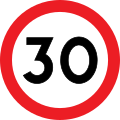 ដែនកំណត់ល្បឿន
 -
 ដែនកំណត់ល្បឿនជាតិអនុវត្ត
 -
 ចំណតរថយន្ត
 -
 គ្មានការរង់ចាំ
 -
 គ្មានការចូល
 -
 ឈប់នៅផ្លូវធំខាងមុខ
 -
 យឺត ផ្លូវធំខាងមុខ


.svg?lang=km)
.svg?lang=km)
.svg?lang=km)
.svg?lang=km)
.svg?lang=km)
.svg?lang=km)
.svg?lang=km)
.svg?lang=km)


.svg?lang=km)
.svg?lang=km)
.svg?lang=km)
.svg?lang=km)
បណ្តោះអាសន្ន/សំណង់
[កែប្រែ]ផ្លាកសញ្ញាផ្លូវបណ្តោះអាសន្ន (ឧ. ផ្លាកសញ្ញាចតុកោណក្រហម ដែលមានការណែនាំជាពណ៌ស) [៤]
-
 ឈប់ឬបើកផ្លូវទៅមុខ (ជាមួយចម្ងាយទៅបន្ទាត់ខាងមុខដែលបានផ្តល់ឱ្យខាងក្រោម)
 -
 ចម្ងាយទៅបន្ទាត់ ផ្ដល់អាទិភាពផ្លូវ ៥០ម
 -
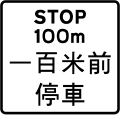 ចម្ងាយទៅបន្ទាត់ ឈប់ ១០០ម
 -
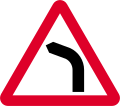 បត់ទៅឆ្វេងទៅមុខ (ស្តាំប្រសិនបើនិមិត្តសញ្ញាបញ្ច្រាស)
 -
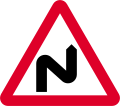 បត់ពីរដងពីមុខទៅស្តាំ (និមិត្តសញ្ញាអាចត្រូវបានបញ្ច្រាស)
 -
 ផ្លូវរជាពីរបញ្ចប់នៅខាងមុខ
 -
 រង្វង់ខាងមុខ
 -
 ផ្លូវតូចចង្អៀតនៅខាងស្តាំខាងមុខ (ខាងឆ្វេងប្រសិនបើនិមិត្តសញ្ញាបញ្ច្រាស)
 -
 ផ្លូវតូចចង្អៀតនៅសងខាងខាងមុខ
 -
 បន្ថយល្បឿនឥឡូវនេះ
 -
 គម្លាតយ៉ាងច្បាស់នៃផ្លូវទៅឆ្វេង (អាចត្រូវបានប្រើជាមួយស៊ុមពណ៌លឿងខ្ចី ខាងស្ដាំ ប្រសិនបើនិមិត្តសញ្ញាបញ្ច្រាស)
 -
 ភ្លើងសញ្ញាចរាចរណ៍ខាងមុខ
 -
 Steep hill upwards ahead
 -
 Steep hill downwards ahead
 -
 Use low gear
 -
 Use low gear for distance shown
 -
 Keep in low gear
 -
 Single file traffic ahead
 -
 Cyclists to keep left
 -
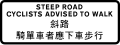 Cyclists to walk on steep road
 -
 Traffic Accident blackspot ahead
 -
 Pedestrian Accident blackspot ahead
 -
 Cross roads ahead
 -
 Staggered junction ahead (symbol may be reversed)
 -
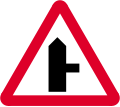 Side road to right ahead (left if symbol reversed)
 -
 T-junction ahead (symbol may be reversed)
 -
 Traffic merging from left (right if symbol reversed)
 -
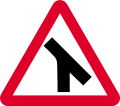 Merging into main traffic on right (left if symbol reversed)
 -
 Overhead electric cable ahead
 -
 Disabled persons ahead
 -
 Visually impaired persons ahead
 -
 Level crossing with barrier ahead
 -
 Quay-side or river bank ahead
 -
 Restricted headroom ahead
 -
 Pedestrian crossing ahead
 -
 Children ahead
 -
 Risk of falling or fallen rocks ahead (symbol may be reversed)
 -
 Horses ahead
 -
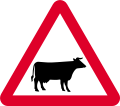 Cattle ahead
 -
 Fog or mist ahead
 -
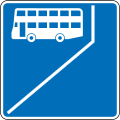 Bus lane ahead (Franchised buses)
 -
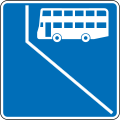 Bus lane ahead (Franchised buses)
 -
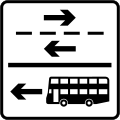 Bus lane (Franchised buses) on major road ahead
 -
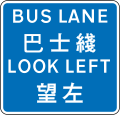 Warning to pedestrians crossing road with bus lane
 -
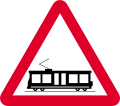 Light rail vehicles or trams ahead
 -
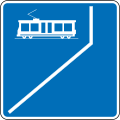 Light rail vehicle lane or tram lane ahead
 -
 Light rail vehicle lane or tram lane on major road ahead
 -
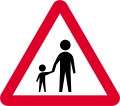 Pedestrian on or crossing road ahead
 -
 Cycleway ahead (cyclists on or crossing road ahead)
 -
 Cyclists ahead
 -
 Low-flying aircraft or noise ahead
 -
 Uneven road surface ahead
 -
 Road hump ahead
 -
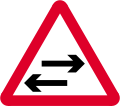 Two-way traffic across a one-way road ahead
 -
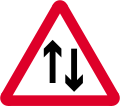 Two-way traffic ahead
 -
 Red light/speed camera ahead
 -
 Red light camera control zone
 -
 Plate used to state the safe height
 -
 School ahead
 -
 Playground ahead
 -
 Distance as shown to hazard
 -
 ចម្ងាយដូចដែលបង្ហាញពីគ្រោះថ្នាក់
 -
 អ្នកថ្មើរជើងទៅមុខ


.svg?lang=km)
.svg?lang=km)


.svg?lang=km)


មគ្គុទ្ទេសក៍
[កែប្រែ]ផ្លាកសញ្ញាណែនាំជាទូទៅមានរាងចតុកោណកែង (ជួនកាលចង្អុលនៅចុងម្ខាងក្នុងករណីសញ្ញាទិសដៅ)។ [៥]
-
 Give way to traffic on major road
 -
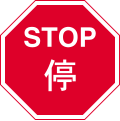 Stop and give way
 -
 Ahead only
 -
 Keep left (right if symbol reversed)
 -
 Turn left (right if symbol reversed)
 -
 Turn left at junction ahead (right if symbol reversed)
 -
 No stopping
 -
 No parking
 -
 No entry for all vehicles
 -
 One way traffic
 -
 Vehicles must stop at the sign (sign used by police)
 -
 Vehicles must stop at the sign (sign used by school crossing patrol)
 -
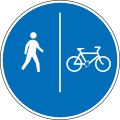 Segregated pedestrian and bicycle/tricycle route. No motor vehicles
 -
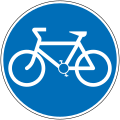 Bicycle/tricycle route. No motor vehicles
 -
 Cycling restriction – cyclists must dismount and push their cycles
 -
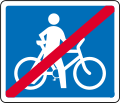 End of cycling restriction
 -
 Light rail vehicles and trams only
 -
 Dual carriageway ahead
 -
 Direction in which the prohibition or restriction applies (symbol may be reversed)
 -
 Prohibition or restriction applies in both directions
 -
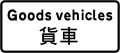 Prohibition or mandatory order applies to vehicle class shown
 -
 One way road ahead
 -
 No stopping between 7AM-12AM
 -
 No stopping between 7AM-7PM
 -
 No stopping between 8-10AM and 5-7PM
 -
 No stopping at any time
 -
 End of 'no stopping' restriction
 -
 No stopping for public light buses between 7AM-12AM
 -
 End of public light buses 'no stopping' restriction
 -
 Restriction does not apply to vehicle classes shown to pick up or drop off passengers (wording may be varied to loading/unloading goods)
 -
 Pedestrian priority zone
 -
 Vehicles prohibited as indicated by supplementary plate
 -
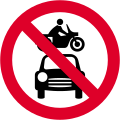 No motor vehicles
 -
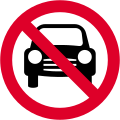 No motor vehicles except motor cyclists and motor tricycles
 -
 No motor cycles or motor tricycles
 -
 No buses and coaches
 -
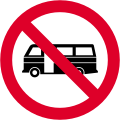 No public light buses
 -
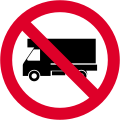 No goods vehicles
 -
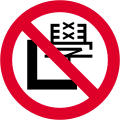 No learner drivers
 -
 No left-turn (No right-turn if symbol reversed)
 -
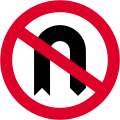 No U-turn (symbol may be reversed)
 -
 No pedestrians
 -
 No pedestrians, rickshaws and handcarts
 -
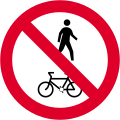 No pedestrians, pedestrian controlled vehicles, bicycles and tricycles
 -
 No bicycles
 -
 No use of horn
 -
 No overtaking
 -
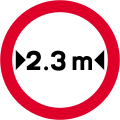 No vehicles over width shown (including load)
 -
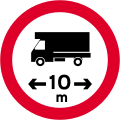 No vehicles or combinations of vehicles over length shown (including load)
 -
 No vehicles over height shown (including load)
 -
 No vehicles over gross vehicle weight shown (including load)
 -
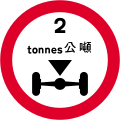 No vehicles over axle weight shown (including load)
 -
 Speed limit (in km/h)
 -
 Variable speed limit (in km/h)
 -
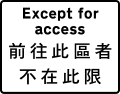 Prohibitation does not apply to vehicles gaining access to premises adjacent to the road
 -
 Prohibitation does not apply to vehicles holding relevant licenses
 -
 Prohibitation or mandatory order applies to vehicles over the length shown
 -
 Prohibitation or mandatory order applies to vehicles over the gross vehicle weight shown
 -
 Prohibitation or mandatory order does not apply to vehicle classes shown
 -
 Time plate
 -
 Time plate
 -
 Day plate
 -
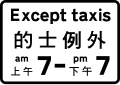 Prohibitation or mandatory order does not apply to vehicle classes and time shown
 -
 Length over which the prohibition or hazard exists
 -
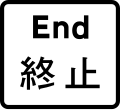 End of the prohibition, restriction or warning
 -
 Left lane shows bus lane for franchised buses only during the time and date shown
 -
 Bus lane for franchised buses only
 -
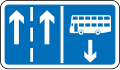 Contra-flow bus lane for franchised buses only
 -
 End of bus lane
 -
 End of rail only lane for light rail vehicles
 -
 No vehicles carrying dangerous goods of specified categories
 -
 Indicating the categories of dangerous goods
 -
 Parking place for vehicles other than medium and heavy goods vehicles, buses, coaches, motor cycles and pedal cycles
 -
 Parking place for goods vehicles only
 -
 Parking place for buses and coaches only
 -
 Parking place for motor cycles only
 -
 Parking place for pedal cycles only
 -
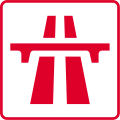 Start and continuation of an expressway
 -
 End of an expressway
 -
 Taxi stand
 -
 End of New Territories taxis operating area
 -
 End of Lantau taxis operating area
 -
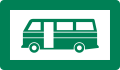 Green minibus stand
 -
 Red minibus stand
 -
 Vehicles must use the left most lane except when overtaking
 -
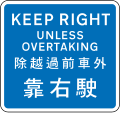 Vehicles must use the right most lane except when overtaking
 -
 Hard shoulder – do not use except in an emergency
 -
 Cyclists must dismount and use crossing to cross the road
 -
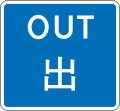 Way out for vehicles
 -
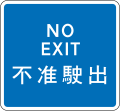 No exit for vehicles
 -
 Way in for vehicles
 -
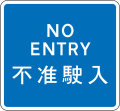 No entry for vehicles


.svg?lang=km)


.svg?lang=km)
.svg?lang=km)


លែងប្រើហើយ។
[កែប្រែ]-
 Direction sign
 -
 Direction sign
 -
 Direction sign for roundabout
 -
 Pointed direction sign
 -
 Route number along strategic route
 -
 Tunnel ahead
 -
 Hong Kong Cross Harbour Tunnel
 -
 Western Harbour Tunnel
 -
 Eastern Harbour Tunnel
 -
 Urban taxi pick up and drop off only
 -
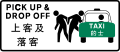 New Territories taxi pick up and drop off only
 -
 Lantau taxi pick up and drop off only
 -
 Direction to parking place
 -
 Direction to vehicular ferry pier
 -
 Direction to Mass Transit Railway (MTR) Station
 -
 Vehicles may pass either side to reach same destination
 -
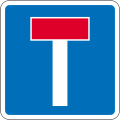 No through road
 -
 No through road on left
 -
 No through road on right
 -
 300m Countdown markers used to indicate the distance to an exit on the left side of a road (Background in green if on expressway) (Symbols may be reversed to indicate exit on right)
 -
 200m Countdown markers used to indicate the distance to an exit on the left side of a road (Background in green if on expressway) (Symbols may be reversed to indicate exit on right)
 -
 100m Countdown markers used to indicate the distance to an exit on the left side of a road (Background in green if on expressway) (Symbols may be reversed to indicate exit on right)
 -
 Sign showing lane indication arrows for each lane or temporary lane closure at junction ahead
 -
 Start of dual carriageway ahead
 -
 Passing place
 -
 Sign at start of single track road
 -
 For use by police at accident site
 -
 Prepare to stop if signalled to do so
 -
 Stop at 'Census point'
 -
 Census point
 -
 Get in lane
 -
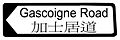 Street direction sign
 -
 Street direction sign with numbers


.svg?lang=km)
.svg?lang=km)
.svg?lang=km)


ផ្លាកសញ្ញា Pre-Workboys
[កែប្រែ]- ↑ "Chapter 8: The Language of the Road". Transport Department. Retrieved 2020-12-04.
- ↑ "Traffic Signs Giving Warning". Transport Department. Retrieved 2020-12-04.
- ↑ "Traffic Signs Giving Orders". Transport Department. Retrieved 2020-12-04.
- ↑ "Temporary Signs and Road Markings". Transport Department. Retrieved 2020-12-04.
- ↑ "Traffic Signs Giving Information". Transport Department. Retrieved 2020-12-04.